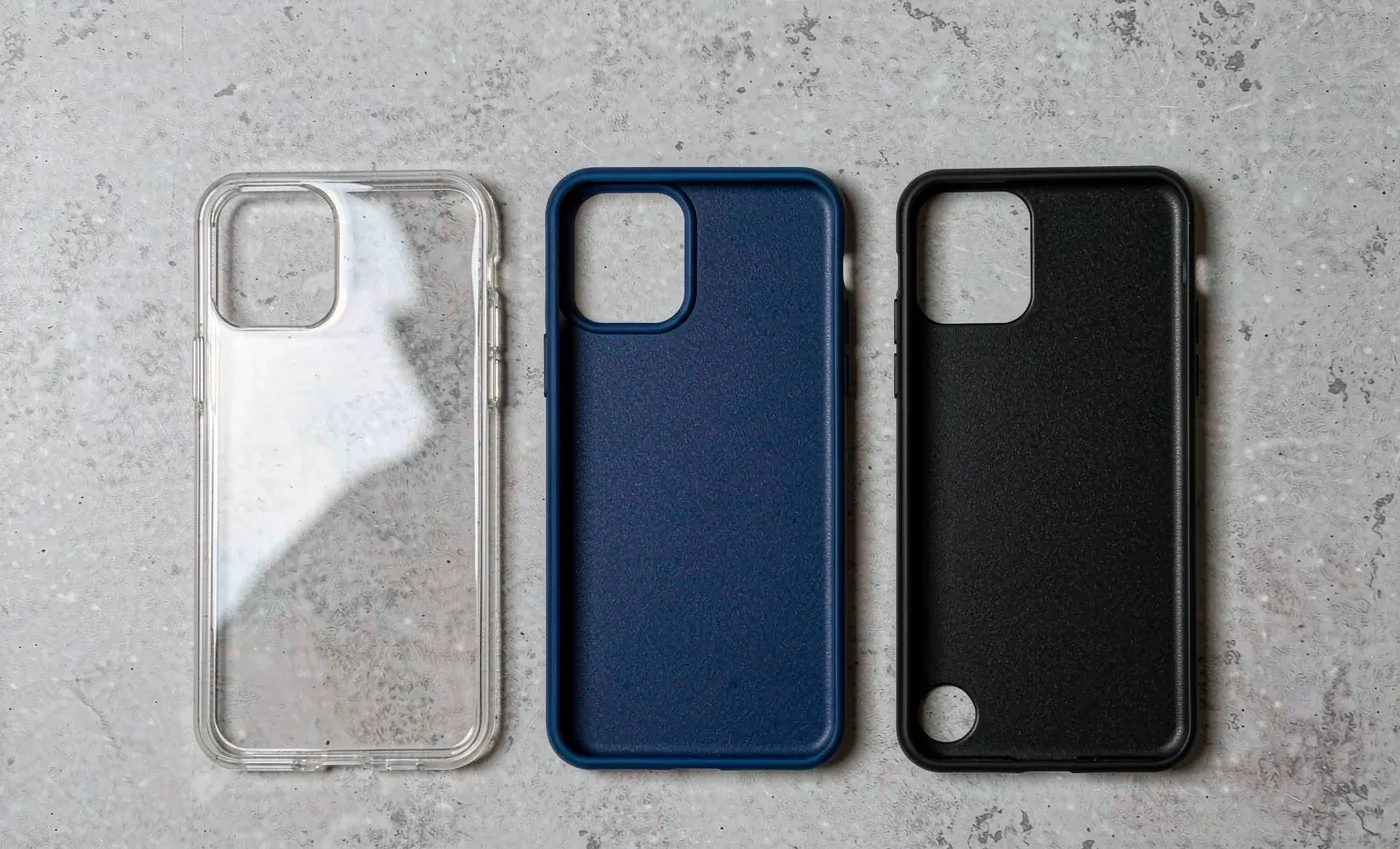
Oct 18, 2026Buying Guides
What to Check Before You Approve a Phone Case Sample
Fit, moulding finish, colour, print registration and packaging — the checks that turn a sample into a production standard you can reorder against.
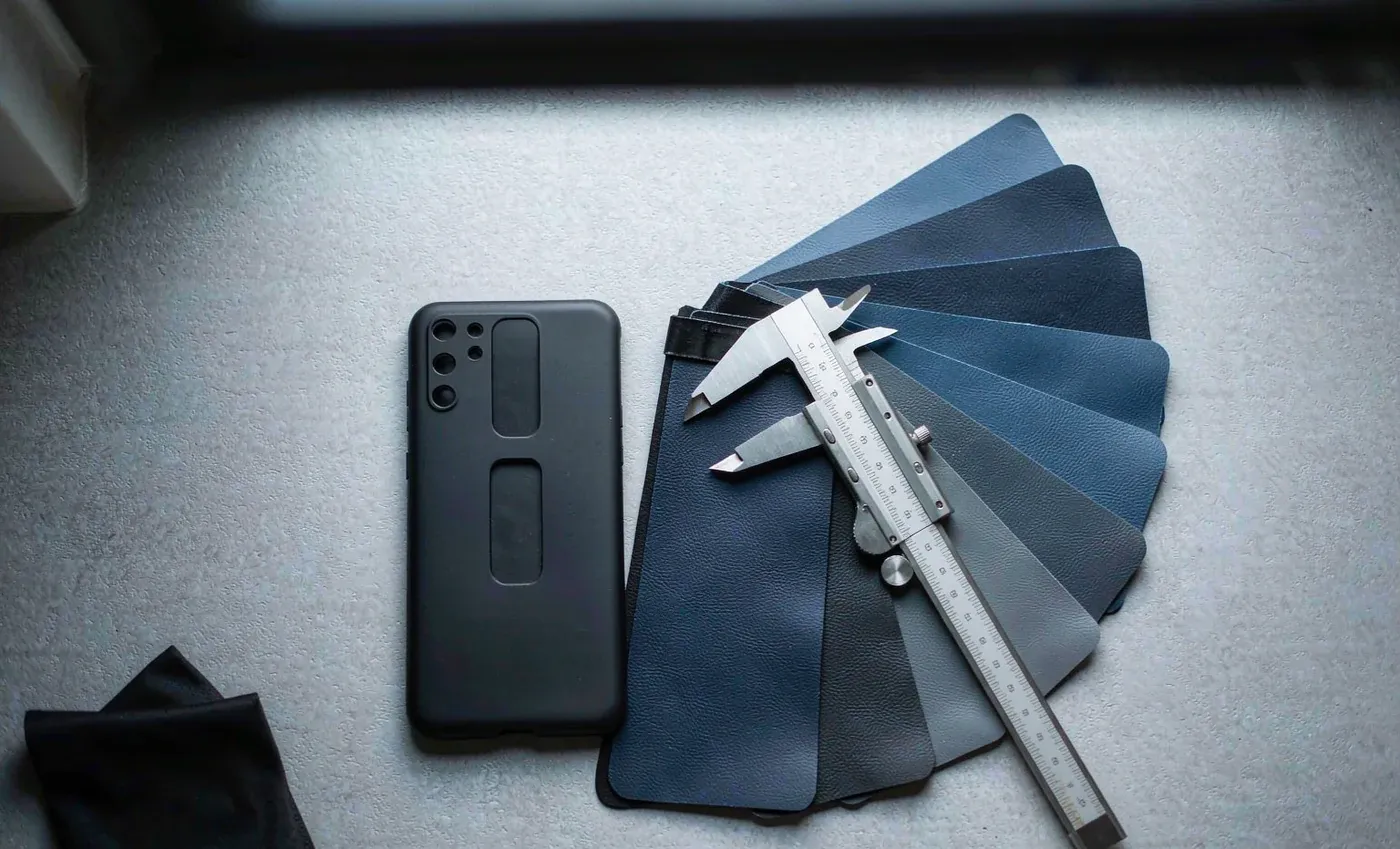
A sample is the last inexpensive place to catch a problem. Once the run is moulded, a fit that is wrong or a print that has drifted is expensive to correct, and the argument about who approved what is more expensive still.
Know Which Sample You Are Approving
"Sample" covers four different things, and a programme usually needs all four. Approving one and assuming it covers the rest is how the first bulk shipment becomes the first time you see the finished branding.
Stock sample. Confirms the existing style, material, structure and how it fits the model.
Logo sample. Confirms logo size, position, colour and how the mark sits on the surface.
Colour and material sample. Confirms the material grade, the surface finish, and the colour on that finish.
Packaging sample. Confirms box construction, insert, barcode, SKU label and carton mark.
Ask which of the four you are being sent before you open the parcel. If the answer is vague, the supplier is treating sample rounds as a formality rather than as an approval step.
Before the Parcel Arrives: Give the Sample Something to Answer
A sample can only confirm what the brief asked for. Sending a model number and a colour name produces a sample that looks plausible and settles nothing, because no one agreed in advance what "correct" would look like.
Put six things in the sample request: the exact device generation, the case type and material, the surface finish, the colour reference (a physical swatch or a code, and which surface it was approved on), the artwork file if there is print, and the packaging format if packaging is in scope.
State what you will check. A supplier who knows the sample will be judged on button travel, camera cut-out clearance and colour in daylight will check those things before shipping it. A supplier who thinks the sample is a formality will send the first part off the machine.
Fit: Check Against the Device, Not the Drawing
Seat the case on the actual phone. It should go on without forcing and stay without rattling. Then work around the device: camera cut-out, side buttons, charging port and speaker openings.
Button response is the check most often skipped. Press each button through the case and confirm the travel feels like the bare phone rather than a soft, delayed push. Then look at the screen edge — how far the lip sits above the display tells you how the case will behave face-down, and whether a screen protector will still fit underneath.
Confirm the exact device generation. Model names overlap across releases, and a case that fits the previous generation can look correct on a bench while the camera opening is slightly off.
Moulding Finish: Flash, Sink Marks and Edge Quality
Run a finger along the parting line and the edges. Flash — the thin ridge where the two halves of the mould meet — should be trimmed clean, and it should not reappear further into the run after a clean sample.
Look for sink marks, the shallow depressions that appear where a thick section meets a thin one, and for drag marks or scuffing where the part was ejected. Check the inside of the case too: a rough interior can scuff the phone it is meant to protect, and buyers rarely turn the sample over.
Colour: Approve It on the Material You Are Ordering
Hold the sample against the approved swatch in daylight, not under office lighting. Then hold it against a second sample of the same colour on a different material if your range uses both — the difference will be obvious, and it is a difference your customer will see too.
Approve colour on the exact material and finish being produced. A reference approved on glossy PC does not carry over to matte silicone, and a code alone will not settle a dispute that a physical sample would have prevented. Each material reads the same colour differently, so the swatch and the substrate have to be approved together.
Print and In-Mould Decoration
On a printed or in-mould decorated panel, check registration, sharpness and placement against the artwork: the design should sit where the file says it sits, at the size the file specifies.
On IMD, the design should sit under the surface with no bubbles, no lifted edges and no clouding. It should clear the camera cut-out and the charging area, with the margin the tool was built for. On surface print, add an adhesion check — a tape pull on an inconspicuous area tells you more than a visual inspection.
Packaging Proof
Ask for the printed box or insert card alongside the case, and check the artwork, the barcode and how the case sits inside. A case that rattles in its box will arrive scuffed, and a barcode that will not scan at your warehouse is a problem you inherit, not the factory.
Packaging proofing usually arrives faster than a second case sample, so there is no reason to sequence it behind the case. Run both tracks at once.
Freeze the Specification on the Sign-Off Record
Write down what you approved: device model, material family and grade, surface finish, colour reference, the artwork file version, the packaging version, and the sample identification and date.
That record is the reference for production inspection and for every reorder. Without it, a later batch can only be compared against someone's recollection — and recollection is what turns a quality discussion into a negotiation.
If you are still choosing between suppliers at this stage, the supplier vetting checklist covers the questions worth asking before a sample is cut.
Questions Buyers Ask
How many sample rounds should we budget?
Plan for more than one. A first round usually surfaces fit or colour issues, and a second round confirms the correction. If a programme needs only one round, that is a good sign rather than a reason to skip the sign-off record.
Can we approve from photographs?
Photographs are useful for progress, not approval. They cannot show button travel, surface texture, weight or how a colour reads in daylight. Approve on a physical sample, and keep it.
What if the bulk order differs from the approved sample?
That is what the sign-off record is for. Compare the bulk against the retained sample on the documented points, and raise the deviation in writing before the shipment leaves. A supplier who has retained the same reference will have something to compare against; one who has not cannot.
Approve a sample the way you would inspect a shipment, and the shipment will have fewer surprises.
Max Tech moulds phone cases, AirPods cases, phone grips and stands for importers, distributors and private-label brands, with OEM and ODM work across material, colour and packaging. Send your model list and target market to start a quote.